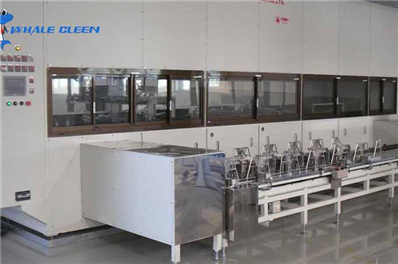
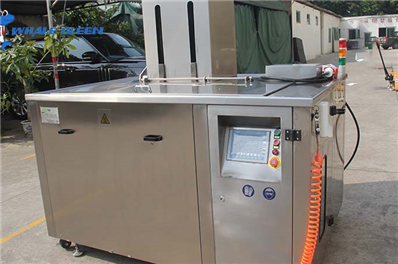
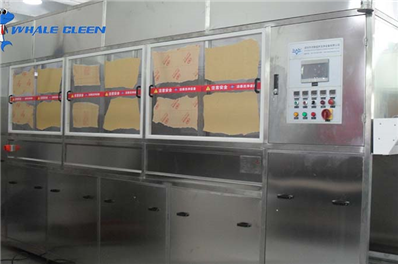
Ultrasonic cleaners are renowned for their efficiency in cleaning delicate items, from jewelry to medical instruments. However, when the device’s sound suddenly becomes louder than usual, it can be both alarming and indicative of an underlying issue. Understanding the reasons behind this change in noise level is crucial for maintaining the device’s functionality and ensuring its longevity. This article delves into the common causes of sudden sound increases in ultrasonic cleaners and provides actionable solutions to address them.
To grasp why sound levels may change, it’s essential to first understand how ultrasonic cleaners operate. These devices use high-frequency sound waves (typically between 20 kHz and 40 kHz) generated by transducers to create microscopic bubbles in a cleaning solution. This process, known as cavitation, implodes the bubbles to dislodge dirt and contaminants from surfaces. Under normal circumstances, the sound produced is a consistent, low hum. Any sudden increase in volume often signals an imbalance or fault in the system.
Loose or Worn-Out Transducers
Transducers are the core components responsible for generating ultrasonic waves. Over time, the vibrations they produce can cause screws or mounting brackets to loosen. Alternatively, the transducers themselves may wear out due to prolonged use or overheating. When this happens, the vibrations become less controlled, leading to louder operational noise.
Insufficient or Contaminated Cleaning Solution
The cleaning solution in an ultrasonic cleaner acts as a medium for transmitting sound waves. If the solution level is too low, the transducers may operate inefficiently, causing cavitation to occur unevenly and amplifying the sound. Similarly, a contaminated solution—filled with debris or oil—can disrupt wave propagation, resulting in noise spikes.
Damaged or Misaligned Components
Internal components, such as the generator or power supply, can develop faults due to voltage fluctuations or physical impact. For instance, a cracked transducer or misaligned diaphragm can create irregular vibrations, manifesting as a louder sound.
Resonance with External Objects
Ultrasonic cleaners are sensitive to their surroundings. If the device is placed on an uneven surface or near other objects, it may experience resonance—a phenomenon where external vibrations amplify the cleaner’s noise. This is especially common in industrial settings where multiple machines operate simultaneously.
Electrical Issues
Voltage instability or a faulty power cord can disrupt the steady operation of the ultrasonic cleaner. Inconsistent electrical supply may force the device to overwork, increasing both sound output and the risk of damage.
Age and General Wear
Like all appliances, ultrasonic cleaners degrade over time. Seals may weaken, transducers can lose efficiency, and internal wiring may fray. These age-related issues often contribute to gradual or sudden noise increases.
If your ultrasonic cleaner’s sound has suddenly intensified, follow these steps to diagnose and resolve the problem:
Check the Cleaning Solution
Ensure the tank is filled to the recommended level.
Replace cloudy or contaminated solutions with fresh fluid.
Use manufacturer-approved cleaning agents to avoid chemical imbalances.
Inspect the Transducers and Mountings
Turn off and unplug the device.
Open the housing (if accessible) and check for loose screws or brackets.
Gently tighten any components, but avoid over-tightening, which could cause further damage.
Examine the Device’s Placement
Move the cleaner to a stable, level surface.
Keep it away from other vibrating machinery or objects.
Place a rubber mat underneath to dampen external vibrations.
Test the Electrical Supply
Use a voltmeter to ensure the power outlet provides stable voltage.
Inspect the power cord for fraying or damage.
Avoid using extension cords, which can cause voltage drops.
Listen for Unusual Patterns
Run the device empty for a minute (if safe) to isolate internal issues.
Note if the sound is accompanied by burning smells or visible sparks—if so, stop use immediately.
While many issues can be resolved with basic troubleshooting, some problems require expert intervention:
Persistent Loud Noises: If the sound remains loud after your efforts, the transducers or generator may need replacement.
Electrical Faults: Exposed wiring or frequent power surges should be addressed by a certified technician.
Warranty Coverage: If your device is under warranty, contact the manufacturer to avoid voiding it with unauthorized repairs.
Regular upkeep can prevent sudden sound increases and extend your ultrasonic cleaner’s lifespan:
Clean the Tank Regularly: Residue buildup can affect performance. Rinse the tank after each use.
Use Distilled Water: Tap water contains minerals that can accumulate and interfere with sound transmission.
Schedule Professional Servicing: Annual check-ups can identify wear and tear before it becomes critical.
Avoid Overloading: Follow the manufacturer’s guidelines for maximum capacity to reduce strain on components.
A sudden increase in your ultrasonic cleaner’s sound is more than just a nuisance—it’s a warning sign. By understanding the common causes, from loose transducers to electrical issues, you can take proactive steps to address the problem. Regular maintenance and mindful operation will not only restore your device’s quiet efficiency but also ensure it continues to deliver pristine cleaning results for years to come. If in doubt, always prioritize safety and consult a professional to avoid further damage.