-
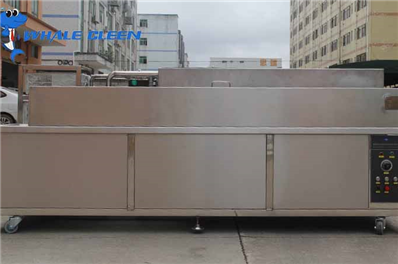 Blind Spots and Dead Corners Causing Customer Complaints? Don’t Let Incomplete Cleaning Ruin Your Entire Order
In precision manufacturing, there is one mistake that buyers rarely forgive: contamination hidden where it shouldn’t be. You may have delivered parts on time, met all dimensional specifications, and passed visual inspection—but if a customer discovers res
-
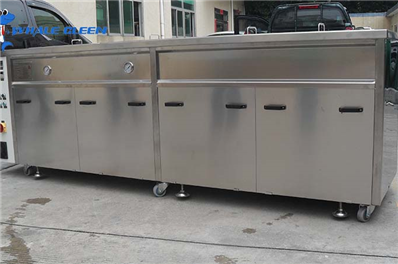 Ultrasonic Cleaning Machine for Blind Holes: How Whale Cleen Meets Strict Acceptance Standards
In precision manufacturing, the most difficult contamination is often the contamination you cannot see. Fine blind holes, narrow slots, threaded ports, and tight crevices can trap polishing dust, lapping residue, metal fines, and oil film. A part may look
-
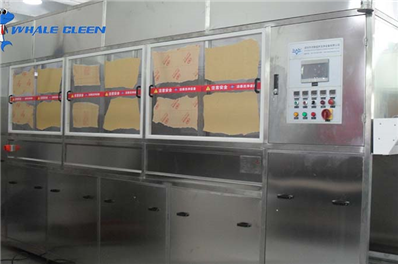 Ultrasonic Cleaning Machine: Solving the Batch Cleanliness Inconsistency Crisis in Aerospace Fastener Manufacturing
In aerospace manufacturing, a single contaminated fastener can compromise an entire assembly. Threaded surfaces trap machining oils, metal chips, and microscopic particulates that, if not completely removed, directly affect torque values, joint integrity,
-
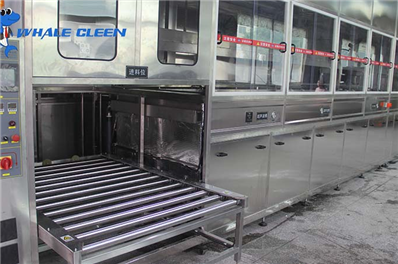 Can One Ultrasonic Cleaning Machine Really Solve Water Stain and Oxidation Problems on Die-Cast Parts?
Walk into any die-casting facility, and you will hear the same frustration from quality control inspectors and production managers alike. Aluminum die-cast parts emerge from the cleaning line looking perfectly clean—only to reveal white spots, cloudy patc
-
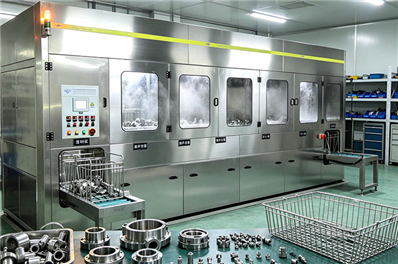 Industrial Ultrasonic Cleaning Machine: The Complete Solution for Manufacturing Precision Parts
In modern manufacturing, surface cleanliness is not merely an aesthetic consideration—it is a critical factor that directly impacts product performance, coating adhesion, and overall production yield. From automotive engine components and transmission par
-
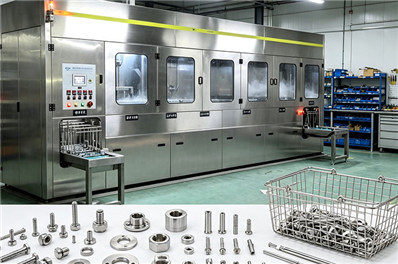 Breaking the Cleaning Bottleneck in Nickel and Gold Plating Lines with Whale cleen Ultrasonic Technology
In high-value surface finishing shops, nickel and gold plating lines demand the highest levels of surface cleanliness. A single fingerprint, a microscopic film of stamping oil, or a speck of polishing compound left on a component will manifest as blisteri
-
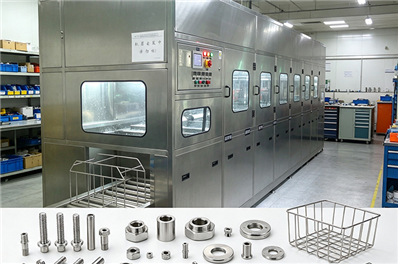 Ultrasonic Cleaning Machine: Why Disassemble Molds When You Can Clean Carbon Deposits in Minutes?
In industrial manufacturing, few maintenance tasks are as time-consuming and costly as mold cleaning. Production managers know the drill all too well: shutdown the line, wait for the mold to cool, disassemble every component, scrub stubborn carbon deposit
-
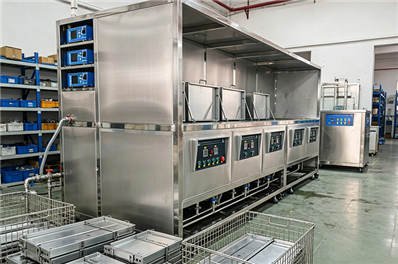 Ultrasonic Cleaning Machine: The Only Way to Eliminate Cutting Oil Sludge from Deep Grooves and Restore Plating Adhesion
For metal finishing shops and precision component manufacturers, few quality failures are as financially devastating as plating rejection caused by inadequate pre-cleaning.The scenario is painfully familiar. A batch of precision-machined components—hydrau
-
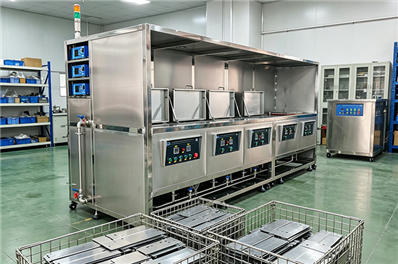 Ultrasonic Cleaning Machine: Breaking the Production Bottleneck When Piles of Oily, Chip-Covered Parts Stall Your Shop Floor
Walk into almost any machining workshop, and you will see the same scene: pallets stacked high with freshly machined parts, their surfaces glistening with cutting oil and clinging to metal chips, grinding dust, and microscopic debris. The parts are ready
-
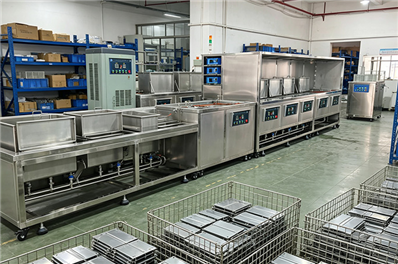 Ultrasonic Cleaning Machine: The Definitive Solution for Rust and Oil Contamination That Spray Cleaning Leaves Behind
In metal parts manufacturing and heavy equipment maintenance, few scenarios are as frustrating—and as costly—as the inspection failure that follows an inadequate cleaning process.The scenario plays out in workshops every day: a batch of precision metal co
-
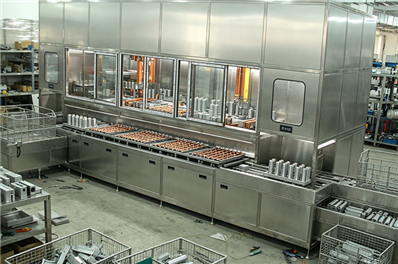 The Milling Cutter & Tap Cleaning Secret: Why Ultrasonic Outperforms Manual Methods
In any precision machining environment, the cleanliness of cutting tools like milling cutters and taps is directly linked to part quality, tool life, and production stability. Yet, the most common cleaning method—manual scrubbing with brushes, cloths, or
-
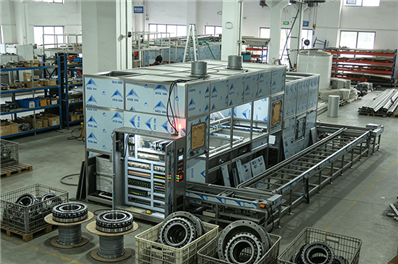 Ultrasonic Cleaning Machine: The Cost-Effective Solution for Mold Parts Cleaning
In the manufacturing industry, the cleaning of mold components—such as core pins, ejector pins, and intricate mold inserts—has long been a silent drain on production budgets. The costs are not limited to cleaning agents and labor; they extend to rejected