-
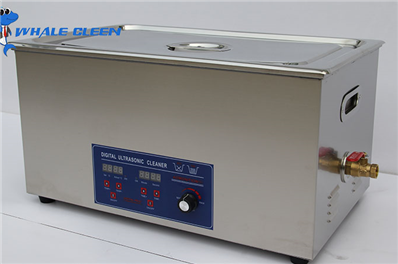 Precision Cleaning Revolution: Unveiling the High Performance of Ultrasonic Cleaning Machines
In the realm of precision manufacturing, the meticulous cleaning of components stands as a pivotal step in ensuring product performance and reliability. Ultrasonic cleaning machines, as an advanced cleaning technology, offer a new perspective in precision
-
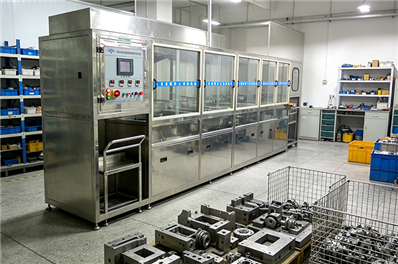 One Ultrasonic Machine, Three Critical Cleaning Tasks – Can It Really Handle Silicon Material, Solar Cells, and Terminal Blocks in One Go?
In photovoltaic manufacturing, semiconductor fabrication, and electronic component production, cleaning is never a single-step affair. Different materials, different contaminants, and different surface sensitivities demand different approaches – or so the
-
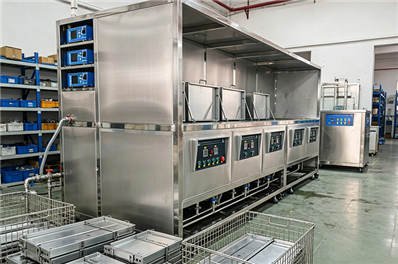 Ultrasonic Cleaning Machine: The Only Way to Eliminate Cutting Oil Sludge from Deep Grooves and Restore Plating Adhesion
For metal finishing shops and precision component manufacturers, few quality failures are as financially devastating as plating rejection caused by inadequate pre-cleaning.The scenario is painfully familiar. A batch of precision-machined components—hydrau
-
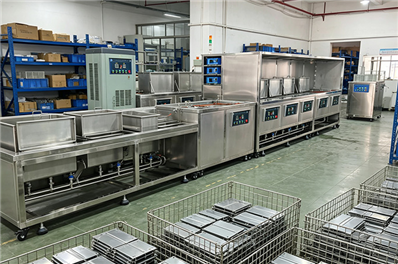 Ultrasonic Cleaning Machine: The Definitive Solution for Rust and Oil Contamination That Spray Cleaning Leaves Behind
In metal parts manufacturing and heavy equipment maintenance, few scenarios are as frustrating—and as costly—as the inspection failure that follows an inadequate cleaning process.The scenario plays out in workshops every day: a batch of precision metal co
-
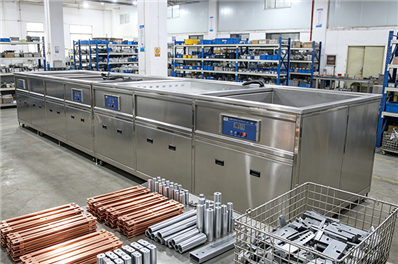 Automotive Parts Cleaning Equipment Manufacturer: Selecting the Right Ultrasonic Cleaning Partner
In the automotive industry, from engine components and transmission parts to braking systems and chassis elements, the cleanliness of parts is directly linked to performance, reliability, and safety. Manufacturing processes like machining, grinding, and s
-
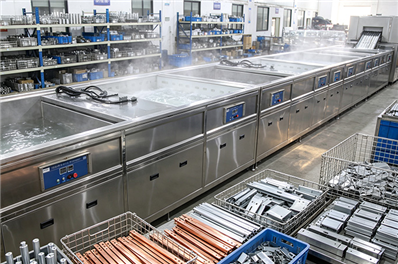 How to Select an Ultrasonic Cleaning Machine for Engine Cylinder Blocks
In heavy-duty equipment repair and engine remanufacturing, the cleaning of cylinder blocks is a critical and demanding task. These large, complex cast-iron or steel components contain intricate networks of oil galleries, water jackets, blind holes, and pr
-
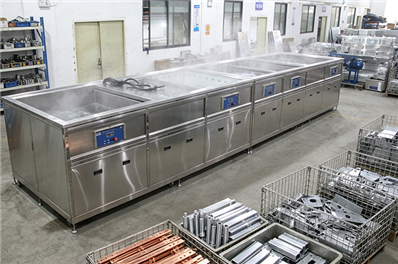 Ultrasonic Cleaning Machine for Shaft Parts: A Specialized Solution for Precision Components
In mechanical manufacturing and heavy industry, shaft parts—such as transmission shafts, motor rotors, hydraulic piston rods, and bearing rollers—are fundamental components that demand the highest standards of cleanliness. These precision-machined parts o
-
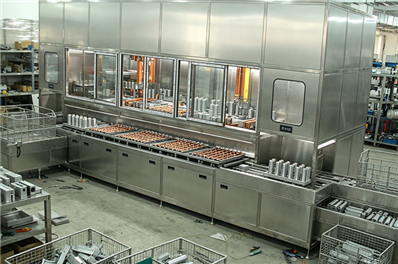 The Milling Cutter & Tap Cleaning Secret: Why Ultrasonic Outperforms Manual Methods
In any precision machining environment, the cleanliness of cutting tools like milling cutters and taps is directly linked to part quality, tool life, and production stability. Yet, the most common cleaning method—manual scrubbing with brushes, cloths, or
-
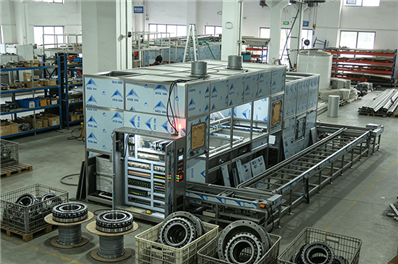 Ultrasonic Cleaning Machine: The Cost-Effective Solution for Mold Parts Cleaning
In the manufacturing industry, the cleaning of mold components—such as core pins, ejector pins, and intricate mold inserts—has long been a silent drain on production budgets. The costs are not limited to cleaning agents and labor; they extend to rejected
-
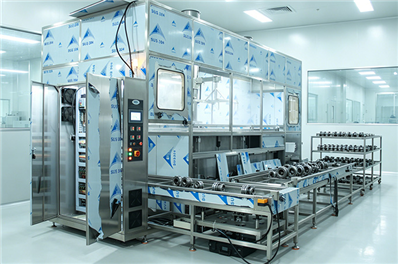 Thread Tap Residue Ruining Precision? How Ultrasonic Cleaning Eliminates Cutting Paste Without Damaging Thread Accuracy
In precision machining, few operations are as demanding as thread tapping. The cutting paste—a thick blend of lubricants, extreme-pressure additives, and fine abrasive particles—is essential for protecting taps and achieving clean thread profiles. But aft
-
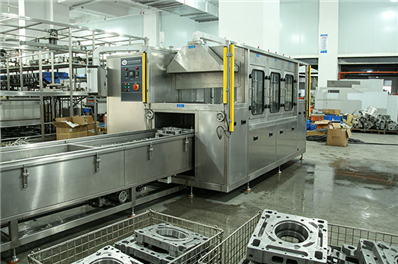 FPC Flexible Board Easily Damaged by Manual Cleaning? Finally, a Solution for High-Volume Degreasing
In electronics manufacturing, few components are as delicate—and as critical—as Flexible Printed Circuits (FPCs). Thin as paper, with trace widths often below 0.03mm, FPCs are the backbone of smartphones, wearables, tablets, and countless other compact de
-
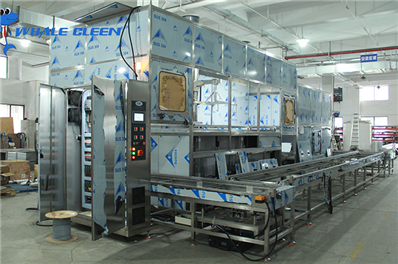 Want to Extend Turbine Disk Service Life? What Are the Key Selection Criteria for Ultrasonic Cleaning Machines?
In an aircraft engine overhaul shop, few components carry more weight—literally and metaphorically—than the turbine disk. Often described as the “backbone” of the engine, the turbine disk is a precision‑engineered component manufactured from nickel‑based