-
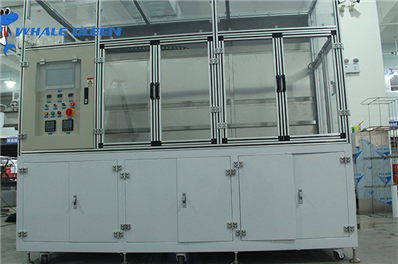 Selection and Formulation of Cleaning Solutions for Ultrasonic Cleaning Devices
Ultrasonic cleaning is a highly effective way to remove dirt, grime, and contaminants from a wide range of objects. However, the effectiveness ofultrasonic cleaningdepends heavily on the cleaning solution used. In this article, we will discuss the selecti
-
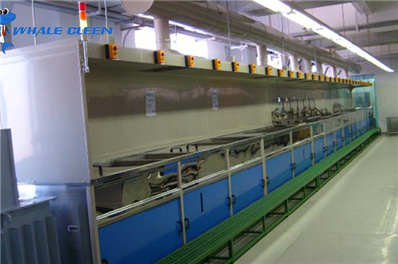 Why Has the Ultrasonic Cleaner's Sound Become Quieter? In-Depth Analysis and Restoration Guide
Anultrasonic cleanertypically emits a consistent humming sound during operation, which indicates normalultrasonic energytransmission. When this sound becomes noticeably quieter or disappears entirely, it often signals an underlying issue. Areduced soundno
-
 Why Do Ultrasonic Cleaners Heat Up? The Science Behind Temperature Rise and Practical Solutions
Ultrasonic cleaners have become essential tools in various industries, from jewelry cleaning to industrial parts maintenance. Many users notice that during operation, the cleaning solution and the device itself gradually heat up. This phenomenon often rai
-
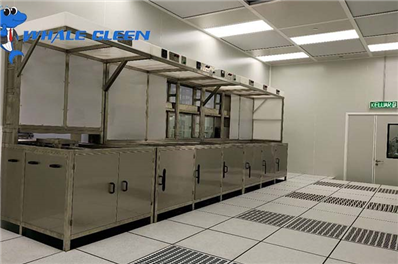 What Adhesive is Used for Ultrasonic Cleaner Transducers? The Complete Bonding Guide
Ultrasonic cleaner transducers (also called piezoelectric vibrators or "振子" in Chinese) require specialized adhesives to ensure optimal performance an……
-
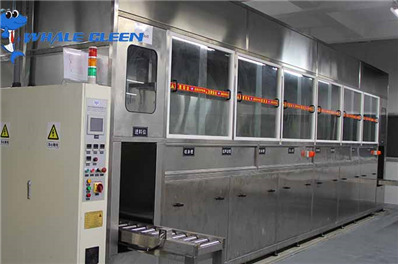 How to Reduce Ultrasonic Cleaner Noise: Effective Solutions and Practical Tips
Ultrasonic cleaners are widely used in industries, laboratories, and medical facilities for their efficient cleaning capabilities. However, the noise they produce (typically 65-85 dB) can be disruptive and even harmful with prolonged exposure. Understandi
-
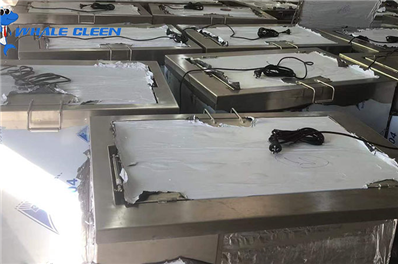 The Best Cleaning Fluids for Ultrasonic Cleaning of Cast Iron
When it comes to ultrasonic cleaning of cast iron, selecting the right cleaning fluid is crucial. Cast iron is a material prone to rust and oxidation, especially when exposed to moisture and certain cleaning agents . Therefore, choosing a clean
-
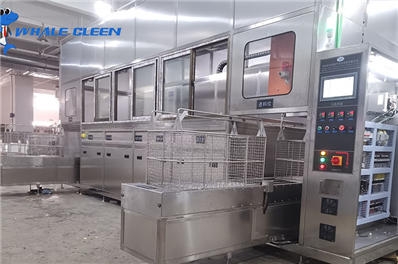 The Optimal Ultrasonic Cleaning Machine Frequency for Aluminum: A Professional Perspective
When it comes to cleaning aluminum parts using ultrasonic cleaning machines, selecting the appropriate frequency is crucial. Aluminum is a soft, lightweight, and malleable metal, making it susceptible to damage if not handled correctly. This article will
-
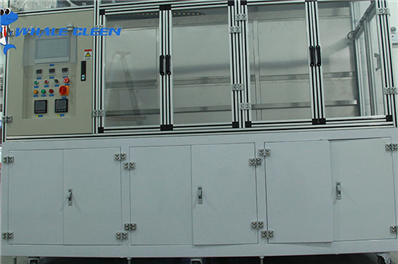 Best Materials for Ultrasonic Cleaning Machines: A Professional Insight
Introduction Ultrasonic cleaning machines are widely used across industries for their efficient and effective cleaning capabilities, particularly in sectors such as electronics, automotive, medical, and manufacturing. The cleaning process relies on the
-
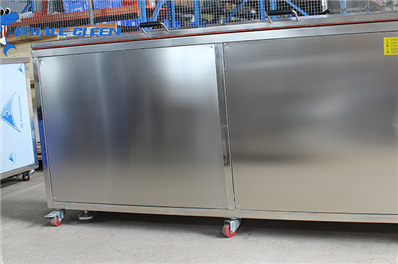 Why Isn't the Ultrasonic Cleaning Machine Vibrating? A Professional Perspective
Ultrasonic cleaning machines rely on high-frequency vibrations to create cavitation bubbles in the cleaning solution, which effectively remove dirt and contaminants from items. However, there are several reasons why an ultrasonic cleaning machine may not
-
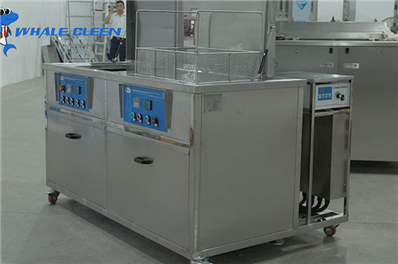 What Solutions Can Be Added to Ultrasonic Cleaners? A Professional Guide
Ultrasonic cleaners use high-frequency sound waves to generate cavitation bubbles that clean surfaces by dislodging contaminants. While the physical action of the sound waves is highly effective, adding the right solution can significantly enhance cleanin
-
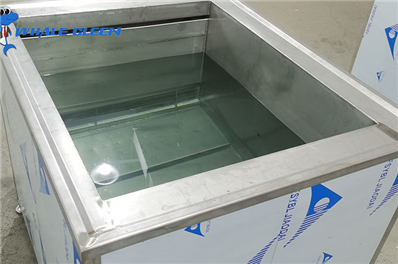 What Cleaning Solutions Should Be Used for Removing Oil with an Ultrasonic Cleaner?
Ultrasonic cleaning machines are widely recognized for their effectiveness in removing contaminants, including oils, greases, and other residues, from various surfaces. The process is based on the principle of cavitation, where ultrasonic sound waves crea
-
 Does an Ultrasonic Cleaner Contain Copper? An In-Depth Examination
Ultrasonic cleaning is a widely adopted technology across various industries, including manufacturing, healthcare, electronics, and jewelry. The fundamental process involves high-frequency sound waves creating microscopic bubbles in a cleaning solution. T