-
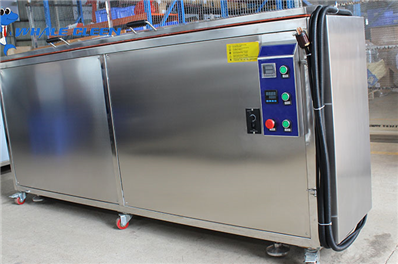 Optimal Output Frequency Selection for Ultrasonic Cleaning Machines: A Professional Perspective
Ultrasonic cleaning machines are essential tools in various industries for their ability to efficiently remove dirt, contaminants, and residues from surfaces using ultrasonic waves. The frequency of ultrasonic waves emitted by these machines plays a cruci
-
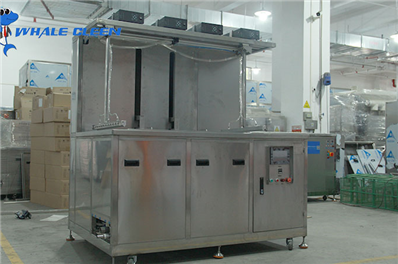 Optimizing Transducer Voltage in Ultrasonic Cleaning Machines
Ultrasonic cleaning machines are widely utilized in various industries for their efficacy in removing contaminants from surfaces. The voltage applied to the transducer, a crucial component responsible for converting electrical energy into mechanical vibra
-
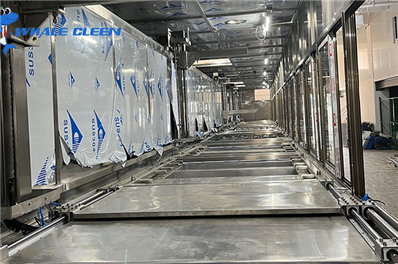 Determining Optimal Power Levels for Bearing Ultrasonic Cleaning Machines
Determining the appropriate power for a bearing ultrasonic cleaning machine requires a comprehensive understanding of various factors including the size and material of the bearings, the level of contamination, the properties of the cleaning solution, and
-
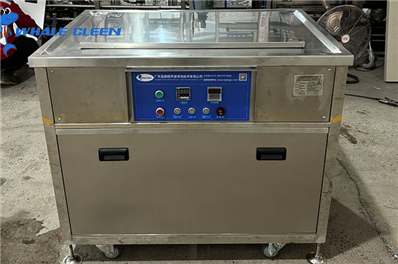 Determining Optimal Cleaning Time for Ultrasonic Cleaning of Aluminum Parts
Ultrasonic cleaning machines are widely used in various industries for cleaning metal parts, including aluminum components. Aluminum parts often accumulate contaminants such as oils, greases, metal fines, and oxides during manufacturing processes, which c
-
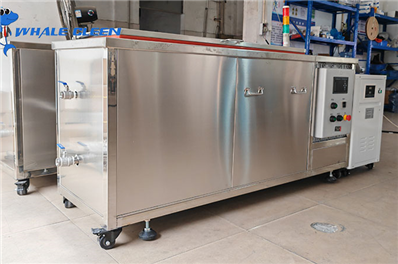 Factors Influencing the Maintenance Cycle of Ultrasonic Cleaning Machines
Determining the optimal maintenance cycle for an ultrasonic cleaning machine is crucial for ensuring its longevity, reliability, and performance. Ultrasonic cleaning machines are utilized across various industries for their ability to efficiently remove c
-
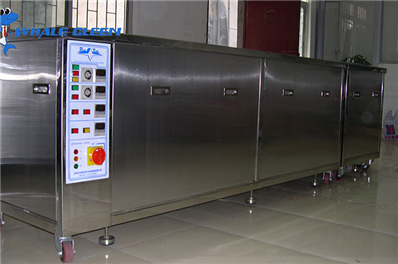 Precision in Operation: Understanding and Optimizing Runtime for Ultrasonic Cleaning Machines
As a seasoned website content operations specialist, I understand the significance of providing comprehensive insights into the operational aspects of ultrasonic cleaning machines, including their optimal runtime durations. Let's delve into this topic
-
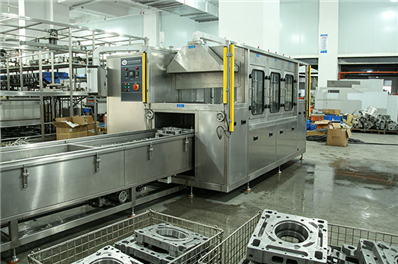 FPC Flexible Board Easily Damaged by Manual Cleaning? Finally, a Solution for High-Volume Degreasing
In electronics manufacturing, few components are as delicate—and as critical—as Flexible Printed Circuits (FPCs). Thin as paper, with trace widths often below 0.03mm, FPCs are the backbone of smartphones, wearables, tablets, and countless other compact de
-
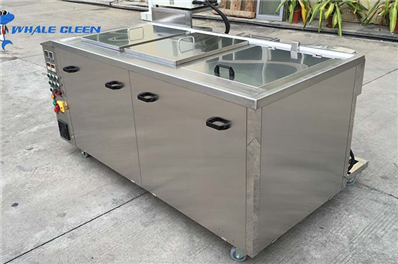 Why Did It Rust After Ultrasonic Cleaning? The Causes and Prevention Guide
You carefully place your metal items into the ultrasonic cleaner, expecting them to come out sparkling clean. Instead, you find unsightly orange or brown spots—rust. It's a frustrating and confusing experience.Why did it rust after ultrasonic cleaning
-
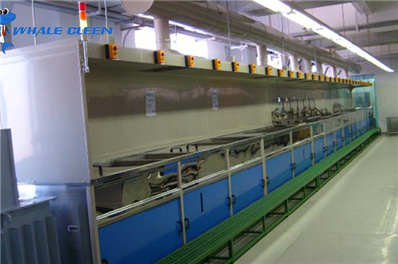 Why Has the Ultrasonic Cleaner's Sound Become Quieter? In-Depth Analysis and Restoration Guide
Anultrasonic cleanertypically emits a consistent humming sound during operation, which indicates normalultrasonic energytransmission. When this sound becomes noticeably quieter or disappears entirely, it often signals an underlying issue. Areduced soundno
-
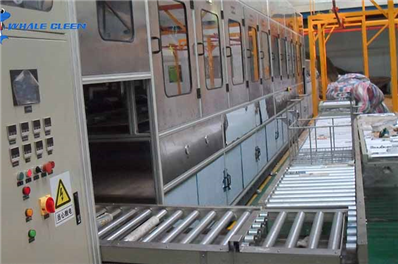 Why Do Ultrasonic Cleaners Heat Up? The Science Behind Temperature Rise and Practical Solutions
Ultrasonic cleaners have become essential tools in various industries, from jewelry cleaning to industrial parts maintenance. Many users notice that during operation, the cleaning solution and the device itself gradually heat up. This phenomenon often rai
-
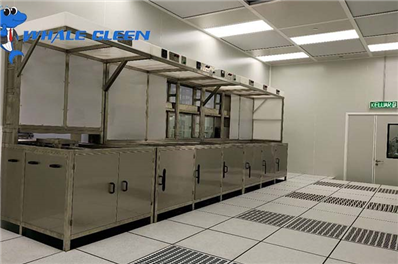 What Adhesive is Used for Ultrasonic Cleaner Transducers? The Complete Bonding Guide
Ultrasonic cleaner transducers (also called piezoelectric vibrators or "振子" in Chinese) require specialized adhesives to ensure optimal performance an……
-
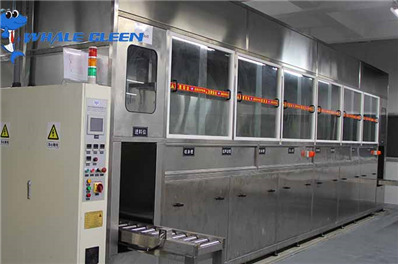 How to Reduce Ultrasonic Cleaner Noise: Effective Solutions and Practical Tips
Ultrasonic cleaners are widely used in industries, laboratories, and medical facilities for their efficient cleaning capabilities. However, the noise they produce (typically 65-85 dB) can be disruptive and even harmful with prolonged exposure. Understandi