-
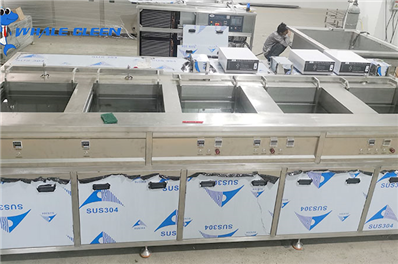 Understanding the High-Pitched Noise in Ultrasonic Cleaners: Causes and Implications
Ultrasonic cleaners are invaluable tools in both industrial and consumer applications, renowned for their ability to clean intricate objects efficiently through high-frequency sound waves. However, users often report hearing a distinctive high-pitched noi
-
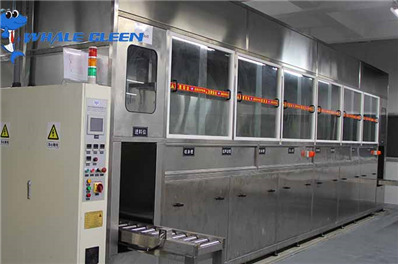 How to Reduce Ultrasonic Cleaner Noise: Effective Solutions and Practical Tips
Ultrasonic cleaners are widely used in industries, laboratories, and medical facilities for their efficient cleaning capabilities. However, the noise they produce (typically 65-85 dB) can be disruptive and even harmful with prolonged exposure. Understandi
-
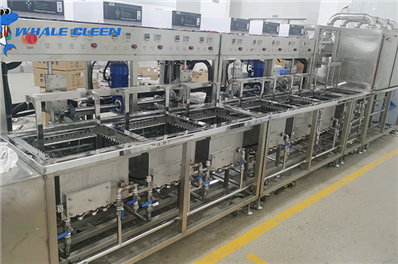 Understanding Why Ultrasonic Cleaners Emit Whistling Sounds: Causes and Solutions
Ultrasonic cleaners are commonly used in various industries for their ability to remove dirt, grease, and contaminants from complex surfaces using high-frequency sound waves. While these devices are highly efficient, users often report an unusual "wh
-
 Why Can't Ultrasonic Cleaners Use Thin Steel Sheets? - An Engineering Analysis of Resonance Principles and Material Selection
In the field of industrial manufacturing and equipment material selection, a fundamental principle is: "The right material for the right application." For ultrasonic cleaners, the choice of material for their core working component—the tank that
-
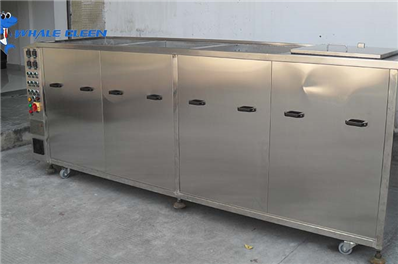 Why Did the Ultrasonic Cleaner Sound Suddenly Become Louder? Causes and Solutions
Ultrasonic cleaners are renowned for their efficiency in cleaning delicate items, from jewelry to medical instruments. However, when the device’s sound suddenly becomes louder than usual, it can be both alarming and indicative of an underlying issue. Unde
-
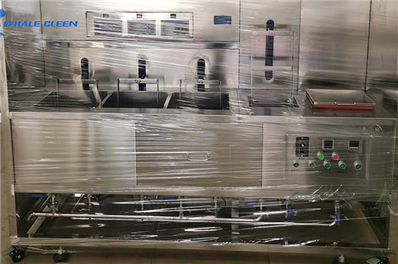 Ultrasonic Cleaner Lid Necessity: Safety, Efficiency, and Performance Explained
When you unbox your newultrasonic cleaner, the included lid might seem like a simple accessory—perhaps even an optional one. Many users are tempted to operate the machine without it, thinking it allows for better visibility or easier access. However, this
-
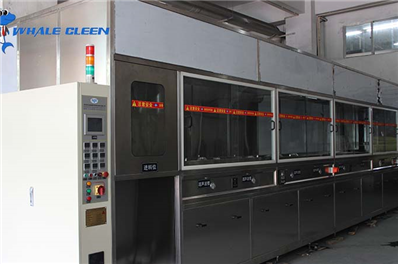 Why Ultrasonic Cleaners Must Not Have Low Water? The Critical Role of Water Level Explained
For anyone who owns an ultrasonic cleaner, the instruction to "fill the tank with adequate water" is as fundamental as it gets. Yet, in moments of haste or curiosity, you might wonder what would happen if you ran it with less water than recommen
-
 What Adhesive is Used for Ultrasonic Cleaner Transducers? The Complete Bonding Guide
Ultrasonic cleaner transducers (also called piezoelectric vibrators or "振子" in Chinese) require specialized adhesives to ensure optimal performance an……
-
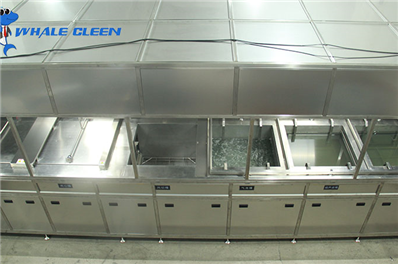 How to Choose Ultrasonic Cleaner Frequency: The Ultimate Guide for Optimal Cleaning Performance
Ultrasonic cleaners use high-frequency sound waves to remove contaminants from surfaces. However,selecting the wrong frequency can lead to poor cleaning results or even damage delicate items. This guide will help you understand: How ultraso
-
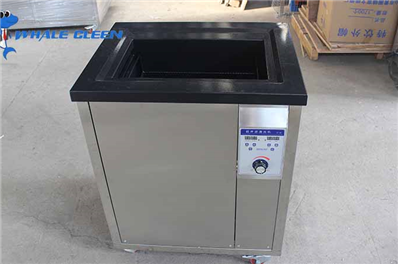 How to Adjust Ultrasonic Cleaner for Optimal Performance
In today's fast-paced world, maintaining cleanliness and efficiency in both household and industrial settings is crucial. Ultrasonic cleaners have emerged as powerful tools for thorough and gentle cleaning of delicate items. However, to maximize their
-
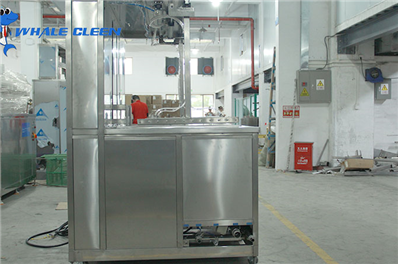 How to Measure an Ultrasonic Cleaner? Comprehensive Guide and Practical Tips
1. The Importance of Measuring Ultrasonic Cleaners The performance of an ultrasonic cleaner directly impacts cleaning efficiency and equipment lifespan. Regular measurement helps avoid issues such as: Reduced Cleaning Efficiency: Aging o
-
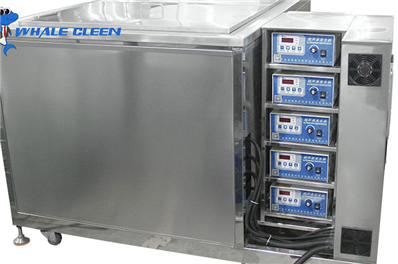 Why Don't Ultrasonic Cleaners Use Aluminum? Scientific Analysis and Practical Insights
Ultrasonic cleaners are widely used in industries, laboratories, and households for their ability to remove contaminants from intricate surfaces. However, one notable observation is that these devices rarely use aluminum in their critical components, such