-
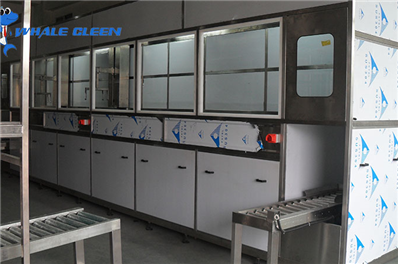 Enhancing Electronic Device Performance: Ultrasonic Cleaning for Efficient Heat Sink Maintenance
Electronic heat sinks play a crucial role in modern electronic devices by dissipating heat efficiently to prevent overheating and ensure optimal performance. However, over time, the metal surfaces of electronic heat sinks can accumulate dust, dirt, and ot
-
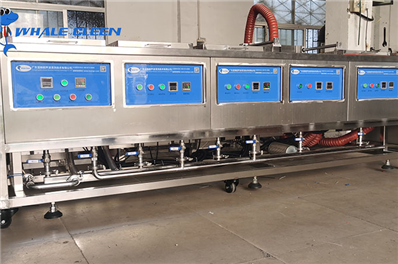 Ultrasonic Cleaning for Metal Printing Machine Components: Ensuring Print Quality and Equipment Reliability
Cleaning metal printing machine components is an essential step to ensure printing quality and equipment reliability. During the printing process, metal parts can accumulate ink residues, oil, and other impurities, which can negatively impact print qualit
-
 The Milling Cutter & Tap Cleaning Secret: Why Ultrasonic Outperforms Manual Methods
In any precision machining environment, the cleanliness of cutting tools like milling cutters and taps is directly linked to part quality, tool life, and production stability. Yet, the most common cleaning method—manual scrubbing with brushes, cloths, or
-
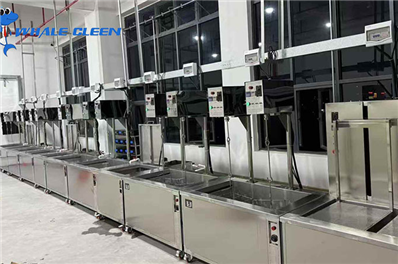 Vacuum Coating Pre-Cleaning: Dedicated Ultrasonic Cleaning Machines – A Head-to-Head Brand Comparison
In vacuum coating processes such as PVD (Physical Vapor Deposition) and CVD (Chemical Vapor Deposition), the quality of the final coating is directly determined by the cleanliness of the substrate. A single speck of oil, a microscopic particle, or a resid
-
 Why Can't Ultrasonic Cleaners Use Thin Steel Sheets? - An Engineering Analysis of Resonance Principles and Material Selection
In the field of industrial manufacturing and equipment material selection, a fundamental principle is: "The right material for the right application." For ultrasonic cleaners, the choice of material for their core working component—the tank that
-
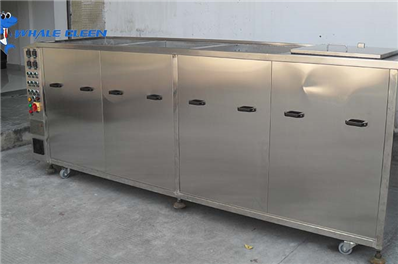 Why Did the Ultrasonic Cleaner Sound Suddenly Become Louder? Causes and Solutions
Ultrasonic cleaners are renowned for their efficiency in cleaning delicate items, from jewelry to medical instruments. However, when the device’s sound suddenly becomes louder than usual, it can be both alarming and indicative of an underlying issue. Unde
-
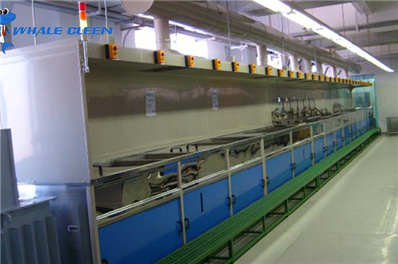 Why Has the Ultrasonic Cleaner's Sound Become Quieter? In-Depth Analysis and Restoration Guide
Anultrasonic cleanertypically emits a consistent humming sound during operation, which indicates normalultrasonic energytransmission. When this sound becomes noticeably quieter or disappears entirely, it often signals an underlying issue. Areduced soundno
-
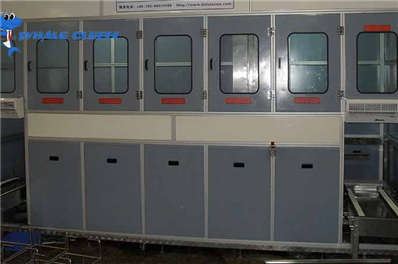 How to Maintain and Clean an Ultrasonic Cleaner: The Ultimate Care Guide
Industry studies show that 60% of ultrasonic cleaner failures result from improper maintenance. This 800+ word guide provides professional-grade care protocols used by laboratory technicians and industrial operators to keep cleaners performing like new.
-
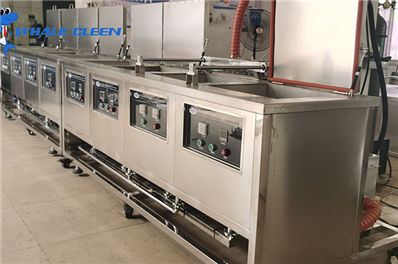 How to Calibrate an Ultrasonic Cleaner: A Step-by-Step Guide to Performance Verification
Article Content 1. The Importance of Calibrating Ultrasonic Cleaners (Keyword Density Optimization) Calibrating ultrasonic cleaners is essential for maintaining performance and reliability: Cleaning Efficiency: Uncalibrated machines c
-
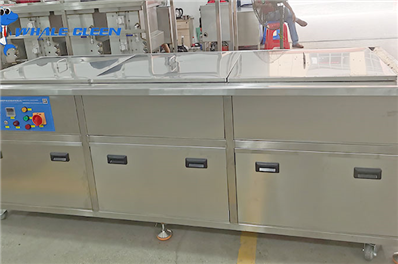 How to Adjust Temperature on Ultrasonic Cleaners: A Complete Guide
Studies show that proper temperature control can improve cleaning efficiency by up to 40% and extend equipment life by 2-3 years. This guide will walk you through the steps to master temperature adjustment on your ultrasonic cleaner. 1. Understanding T
-
 How to Disable Heating in Ultrasonic Cleaners: A Comprehensive Guide
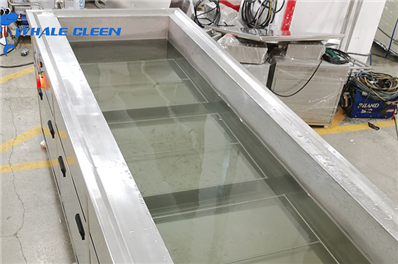
I. Reasons to Disable Heating 1. Application Scenarios Temperature-sensitive materials: Plastics (deformation risk above 50°C) Biological samples (prot
-
 Why Don't Ultrasonic Cleaners Use Aluminum? Scientific Analysis and Practical Insights
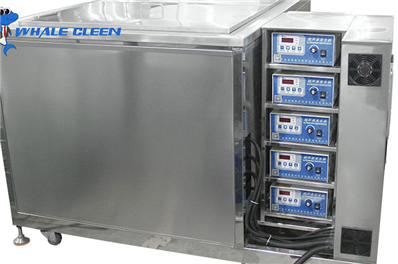
Ultrasonic cleaners are widely used in industries, laboratories, and households for their ability to remove contaminants from intricate surfaces. However, one notable observation is that these devices rarely use aluminum in their critical components, such