-
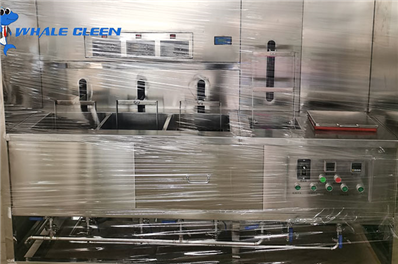 Cleaning Metal Optical Components: Enhancing Clarity and Precision with Ultrasonic Cleaning Machines
Cleaning metal optical components is a crucial step in maintaining their clarity and precision. Metal optical components, such as lenses, prisms, mirrors, and other optical elements, are susceptible to contamination from dirt, dust, and fingerprints, whic
-
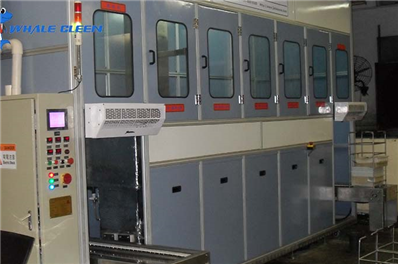 20+ Years Deep in Industrial Cleaning: Specializing in Non‑Standard Customization to Conquer the “Last Mile” of High‑Difficulty Cleaning for Thousands of Manufacturers
The “Last Mile” Problem in Industrial CleaningIn manufacturing, the last mile is often the hardest. You can have a world‑class production line, precision CNC machining, and rigorous quality control—but if a single component carries microscopic contaminati
-
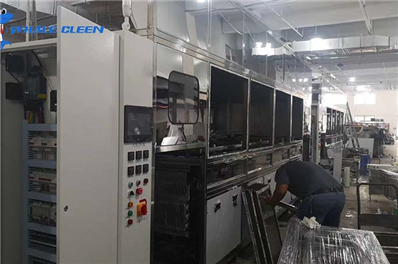 Struggling with Mold Residue That Compromises Part Quality? Discover Ultrasonic Cleaning Solutions
In precision manufacturing, the mold is the birthplace of your product. Every imperfection on the mold surface—every speck of carbon, every trace of resin, every microscopic oil residue—gets faithfully reproduced on every single part that emerges from it.
-
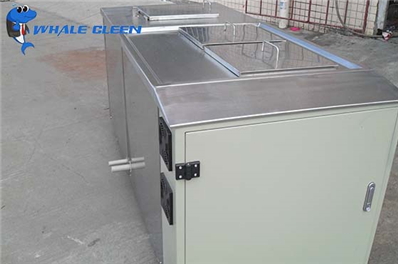 Why Do Ultrasonic Cleaners Use 28kHz Frequency? The Science Behind the Power Setting
When shopping for an ultrasonic cleaner, you'll quickly encounter a key specification: frequency. Among the most common options is28kHz. This number isn't arbitrary; it represents a deliberate engineering choice that makes this frequency a powerho
-
 Why Can't Ultrasonic Cleaners Use Thin Steel Sheets? - An Engineering Analysis of Resonance Principles and Material Selection
In the field of industrial manufacturing and equipment material selection, a fundamental principle is: "The right material for the right application." For ultrasonic cleaners, the choice of material for their core working component—the tank that
-
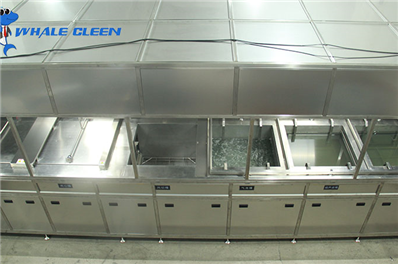 How to Choose Ultrasonic Cleaner Frequency: The Ultimate Guide for Optimal Cleaning Performance
Ultrasonic cleaners use high-frequency sound waves to remove contaminants from surfaces. However,selecting the wrong frequency can lead to poor cleaning results or even damage delicate items. This guide will help you understand: How ultraso
-
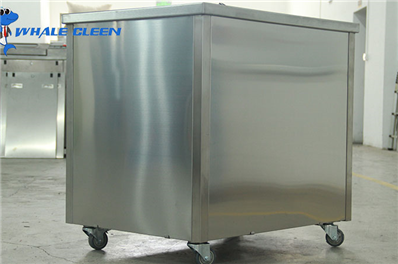 The Science Behind Choosing the Right Ultrasonic Cleaning Solutions
Ultrasonic cleaning has become a cornerstone in various industries due to its efficiency and precision in removing contaminants from surfaces. However, the effectiveness of ultrasonic cleaning largely depends on the type of cleaning solution used. This ar
-
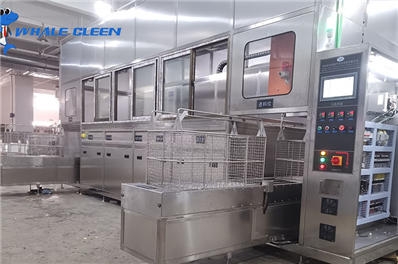 The Optimal Ultrasonic Cleaning Machine Frequency for Aluminum: A Professional Perspective
When it comes to cleaning aluminum parts using ultrasonic cleaning machines, selecting the appropriate frequency is crucial. Aluminum is a soft, lightweight, and malleable metal, making it susceptible to damage if not handled correctly. This article will
-
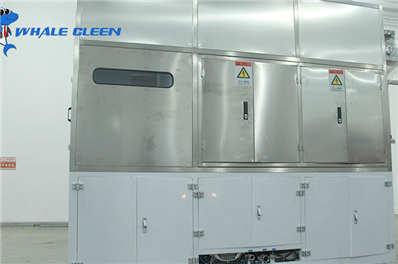 The Functions and Applications of Dual-Frequency Ultrasonic Cleaning Machines
Ultrasonic cleaning has long been recognized as an efficient and effective method for removing contaminants from various surfaces. With advancements in technology, dual-frequency ultrasonic cleaning machines have emerged as a powerful tool, offering enhan
-
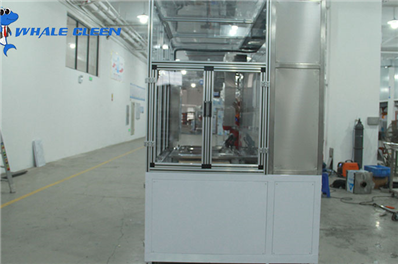 What is a Carbon Hydrogen Ultrasonic Cleaning Machine?
A Carbon Hydrogen Ultrasonic Cleaning Machine is a specialized industrial cleaning device that combines the power of ultrasonic technology with the use of carbon-hydrogen (hydrocarbon) solvents to remove contaminants from various surfaces. This type of ma
-
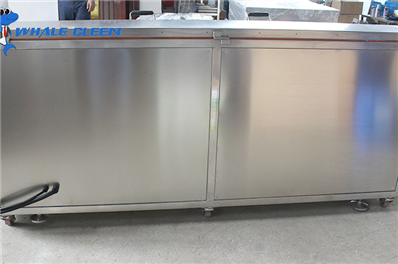 Why Are Ultrasonic Cleaning Machines Expensive?
Ultrasonic cleaning machines are widely used in various industries for their efficient and precise cleaning capabilities. However, their relatively high cost often raises questions. The following are the main factors contributing to the high cost of ultra
-
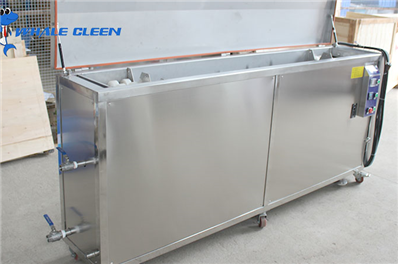 What is a Wire Ultrasonic Cleaning Machine?
A wire ultrasonic cleaning machine is a specialized industrial device designed to clean continuous materials such as wires, cables, rods, and strips using ultrasonic technology. These machines leverage the power of ultrasonic cavitation to remove contamin