-
 Ultrasonic Cleaning Excellence in Adherence to New Standards
In the ever-evolving landscape of industrial technologies, the field of cleaning has witnessed a paradigm shift with the emergence of ultrasonic cleaning systems. Among these, ultrasonic cleaners have gained prominence as highly efficient tools, finding e
-
 Precision Gauge Maintenance: How Ultrasonic Cleaning Avoids Costly Missteps
In the world of precision manufacturing, a precision gauge is the silent guardian of quality. Its dimensional accuracy dictates the fit, function, and safety of countless industrial products. Yet, a gauge's long-term accuracy isn't just a function
-
 Why Ultrasonic Cleaners Can Remove Rust: The Science Behind Effective Rust Removal
Article Content Rust is a common yet stubborn problem that affects metal objects, from industrial machinery to household tools. Traditional rust removal methods often involve abrasive techniques or harsh chemicals, which can damage materials and pose e
-
 How to Reduce Ultrasonic Cleaner Noise: Effective Solutions and Practical Tips
Ultrasonic cleaners are widely used in industries, laboratories, and medical facilities for their efficient cleaning capabilities. However, the noise they produce (typically 65-85 dB) can be disruptive and even harmful with prolonged exposure. Understandi
-
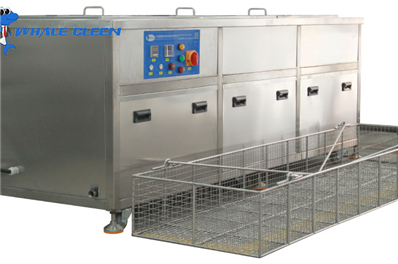 Why Do Ultrasonic Cleaners Cause Rust? Key Reasons and Prevention Strategies
Ultrasonic cleaners are widely used in industrial and precision cleaning due to their ability to remove contaminants from complex surfaces. However, users often encounter rust formation on processed metal parts, especially at the bottom. This article expl
-
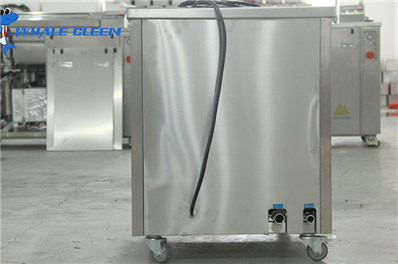 What Dental Instruments Can Be Cleaned with Ultrasonic Cleaners? A Professional Perspective
In the field of dentistry, maintaining the cleanliness and sterility of dental instruments is crucial to ensure patient safety and prevent cross-contamination. Ultrasonic cleaners have emerged as a highly effective solution for cleaning a wide range of de
-
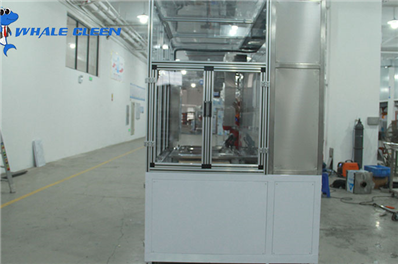 What is a Carbon Hydrogen Ultrasonic Cleaning Machine?
A Carbon Hydrogen Ultrasonic Cleaning Machine is a specialized industrial cleaning device that combines the power of ultrasonic technology with the use of carbon-hydrogen (hydrocarbon) solvents to remove contaminants from various surfaces. This type of ma
-
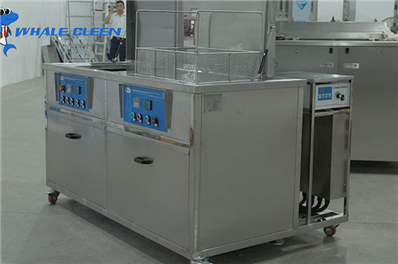 What Solutions Can Be Added to Ultrasonic Cleaners? A Professional Guide
Ultrasonic cleaners use high-frequency sound waves to generate cavitation bubbles that clean surfaces by dislodging contaminants. While the physical action of the sound waves is highly effective, adding the right solution can significantly enhance cleanin
-
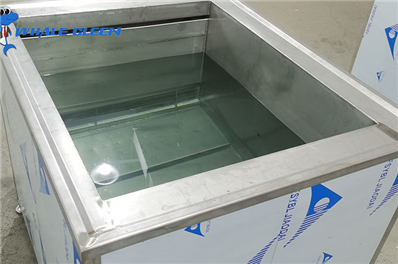 What Cleaning Solutions Should Be Used for Removing Oil with an Ultrasonic Cleaner?
Ultrasonic cleaning machines are widely recognized for their effectiveness in removing contaminants, including oils, greases, and other residues, from various surfaces. The process is based on the principle of cavitation, where ultrasonic sound waves crea
-
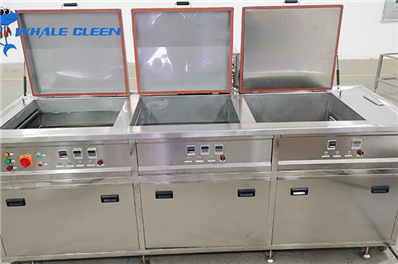 Choosing the Right Cleaning Powder for Ultrasonic Cleaners: A Comprehensive Guide
Ultrasonic cleaners are widely used across various industries for their ability to clean intricate and delicate objects effectively. The selection of cleaning powder or detergent plays a pivotal role in determining the efficiency of the cleaning process.
-
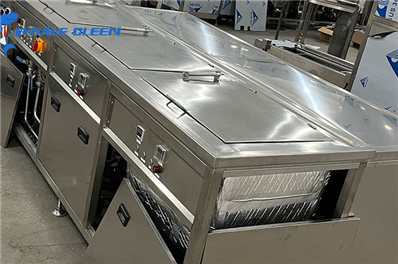 Enhancing Cleaning Standards: The Superior Performance of Ultrasonic Cleaners
Introduction Maintaining impeccable cleanliness is critical across industries, from healthcare to manufacturing. Traditional cleaning methods, while effective in some scenarios, often fall short when addressing intricate geometries, hard-to-reach areas
-
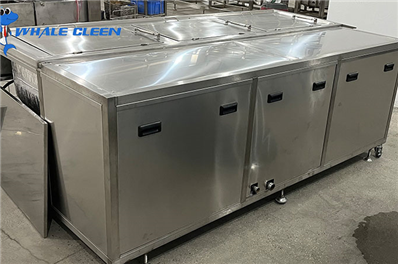 The Future of Manufacturing Cleaning: The Leading Role of Ultrasonic Cleaning Machines
Introduction As global manufacturing continues to evolve in the face of increasing demand for precision, efficiency, and sustainability, the role of industrial cleaning technologies becomes ever more crucial. Manufacturing companies are not only tasked