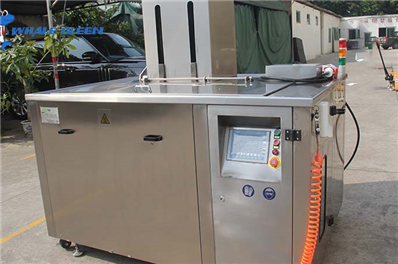
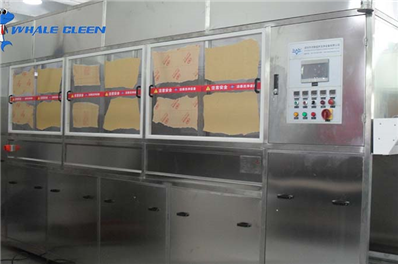
To grasp how ultrasonic cleaners interact with aluminum foil, we must first understand their core mechanism. These devices operate by generating high-frequency sound waves (typically between 20 kHz and 40 kHz) that are inaudible to the human ear. These waves travel through a liquid medium (usually water or a specialized cleaning solution), creating regions of high and low pressure.
During the low-pressure phases, microscopic bubbles form in the liquid. These bubbles, known as cavitation bubbles, grow rapidly and collapse violently during the high-pressure phases. The implosion of these bubbles releases immense energy in the form of shockwaves and localized temperatures reaching thousands of degrees Celsius. It is this cavitation effect that dislodges dirt, grime, and contaminants from surfaces.
Aluminum foil is a thin, flexible sheet of metal known for its ability to block light, air, and moisture. However, it is not entirely impervious to ultrasonic waves. Here’s why:
Sound Wave Transmission: Unlike light or air, sound waves can travel through solid materials. When an ultrasonic cleaner is activated, the sound waves it generates propagate through the cleaning liquid and interact with any object submerged in it—including aluminum foil. While the foil may reflect or absorb some of the waves, a significant portion of the energy can penetrate its microscopic pores and imperfections.
Cavitation Beyond the Barrier: The cavitation effect does not solely rely on direct contact with the object being cleaned. When the bubbles collapse near the foil’s surface, they generate shockwaves that travel through the foil and affect anything on the other side. This means that even if an item is wrapped in foil, the energy from the cavitation process can still reach it and dislodge contaminants.
Resonance and Vibration: Aluminum foil is a lightweight material that can vibrate in response to sound waves. These vibrations allow the ultrasonic energy to transfer through the foil, enabling cleaning action on the enclosed object.
Many users have tested this phenomenon by wrapping jewelry, glasses, or small tools in aluminum foil and placing them in an ultrasonic cleaner. The results often show that:
The items inside the foil emerge cleaner, proving that the ultrasonic waves effectively penetrated the barrier.
The foil itself may develop tiny perforations or show signs of erosion due to the intense cavitation forces.
This demonstrates that while aluminum foil can block many forms of energy, it is no match for the powerful combination of sound waves and cavitation.
While ultrasonic cleaners can penetrate aluminum foil, their efficiency depends on several factors:
Thickness of the Foil: Thicker foils may reduce the effectiveness of wave penetration.
Liquid Medium: The cleaning solution must fully submerge the foil-wrapped item to ensure proper energy transfer.
Cleaner Power: Higher-powered ultrasonic cleaners generate stronger cavitation, enhancing penetration.
It’s also important to note that using foil in this manner may cause it to break down over time, potentially leaving residues in the cleaning tank.
The ability of ultrasonic cleaners to work through barriers like aluminum foil has practical uses:
Protecting Delicate Items: Wrapping fragile objects in foil can prevent direct exposure to cavitation while still allowing cleaning.
Experimental Cleaning: This method is useful for testing how ultrasonic energy interacts with different materials.
However, users should:
Avoid wrapping items too tightly, as this may limit the circulation of the cleaning solution.
Monitor the process to ensure the foil does not tear and damage the cleaner.
The question, "Why can ultrasonic cleaners penetrate aluminum foil?" highlights the incredible power of sound waves and cavitation. By harnessing these principles, ultrasonic cleaners achieve what seems impossible—cleaning through solid barriers. Whether for practical applications or scientific curiosity, this phenomenon underscores the versatility and efficiency of ultrasonic technology.
By understanding the science behind it, users can better appreciate their ultrasonic cleaner and explore innovative ways to use it in everyday cleaning tasks.