-
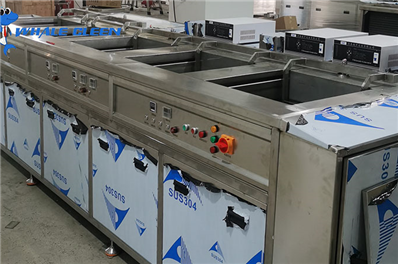 Understanding the Causes of Whistling in Ultrasonic Cleaning Machines: A Technical Analysis
Ultrasonic cleaning machines are widely used for their ability to clean delicate or intricate surfaces using high-frequency sound waves. However, one common issue that can arise during operation is the occurrence of a high-pitched whistling noise, often r
-
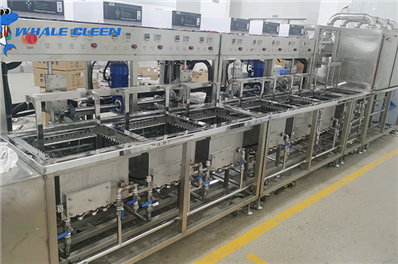 Understanding Why Ultrasonic Cleaners Emit Whistling Sounds: Causes and Solutions
Ultrasonic cleaners are commonly used in various industries for their ability to remove dirt, grease, and contaminants from complex surfaces using high-frequency sound waves. While these devices are highly efficient, users often report an unusual "wh
-
 Why Can't Ultrasonic Cleaners Use Thin Steel Sheets? - An Engineering Analysis of Resonance Principles and Material Selection
In the field of industrial manufacturing and equipment material selection, a fundamental principle is: "The right material for the right application." For ultrasonic cleaners, the choice of material for their core working component—the tank that
-
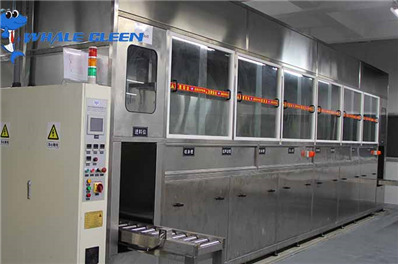 How to Reduce Ultrasonic Cleaner Noise: Effective Solutions and Practical Tips
Ultrasonic cleaners are widely used in industries, laboratories, and medical facilities for their efficient cleaning capabilities. However, the noise they produce (typically 65-85 dB) can be disruptive and even harmful with prolonged exposure. Understandi
-
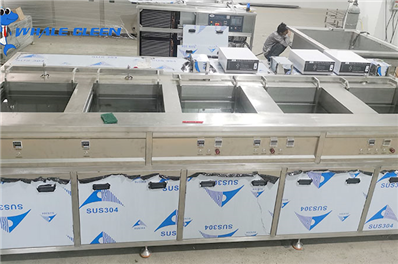 Understanding the High-Pitched Noise in Ultrasonic Cleaners: Causes and Implications
Ultrasonic cleaners are invaluable tools in both industrial and consumer applications, renowned for their ability to clean intricate objects efficiently through high-frequency sound waves. However, users often report hearing a distinctive high-pitched noi
-
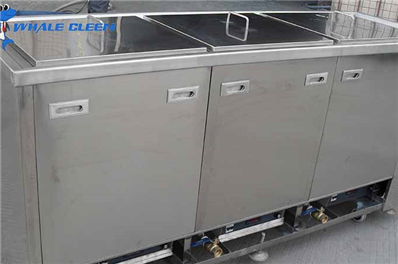 ultrasonic water bath with sweep frequency
What is the difference between the frequency sweeping ultrasonic water bath and the ordinary ultrasonic water bath? I believe that in the process of understanding the ultrasonic water bath, many users will find that some ultrasonic water baths on the mark