-
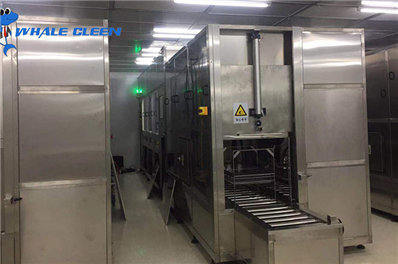 Ultrasonic Cleaning Technology: Restoring Aging Items through Deep Cleaning
Deep cleaning is a critical process for restoring aging items to their original state and functionality. Over time, aged items accumulate various contaminants, oxidation, and other deposits due to prolonged use, storage, or exposure to environmental condi
-
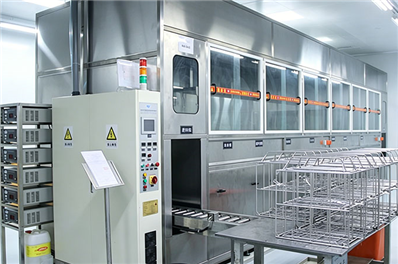 Precision Bearings Prone to Chipping and Scratching? Automated Ultrasonic Cleaning Machine Avoids Component Damage
Precision bearings are the lifeblood of modern mechanical transmission systems—from automotive drivetrains and high-speed machining spindles to aerospace actuators and industrial gearboxes. Yet, in countless workshops and production lines, the delicate ta
-
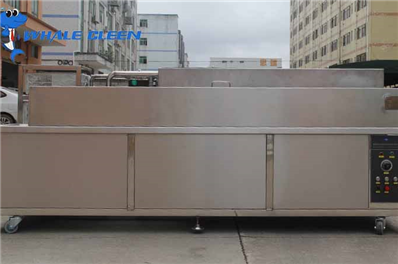 Blind Spots and Dead Corners Causing Customer Complaints? Don’t Let Incomplete Cleaning Ruin Your Entire Order
In precision manufacturing, there is one mistake that buyers rarely forgive: contamination hidden where it shouldn’t be. You may have delivered parts on time, met all dimensional specifications, and passed visual inspection—but if a customer discovers res
-
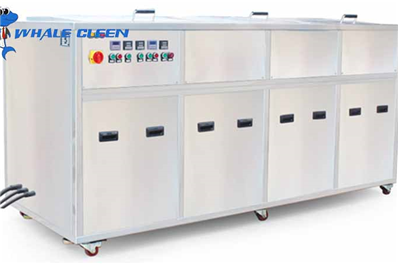 Why Do People Use Ultrasonic Cleaners? The Ultimate Guide to Ultrasonic Cleaning Technology
In today's world of advanced cleaning technology, ultrasonic cleaners have become increasingly popular across various sectors. But what drives people to choose these sophisticated cleaning devices? The answer lies in their unparalleled cleaning capabi
-
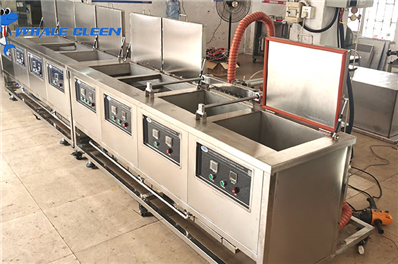 The Superior Performance of Ultrasonic Cleaners in Aerospace Component Cleaning
Introduction In the aerospace industry, the cleanliness of components is paramount. Contaminants such as oils, dirt, and particulate matter can compromise the performance and safety of aircraft parts. Ultrasonic cleaning technology has emerged as a lea
-
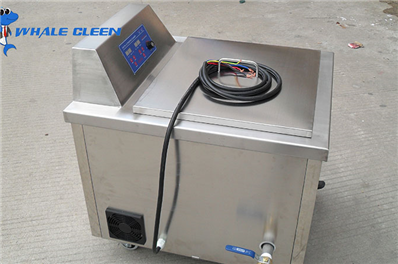 Ultrasonic Cleaning Equipment: Revolutionizing Efficiency in Industrial Cleaning
In the realm of industrial cleaning, the emergence of ultrasonic cleaning equipment has redefined efficiency and performance standards. This article delves into the profound impact of ultrasonic cleaning devices, elucidating their advanced capabilities an
-
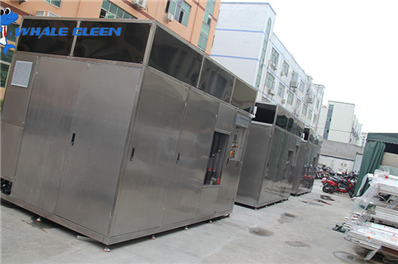 Navigating Cleaning Technology: Innovative Applications of Ultrasonic Cleaners
In the realm of cleaning technology, ultrasonic cleaning has emerged as a pioneering force, revolutionizing traditional cleaning methodologies. The innovative application of ultrasonic cleaning systems signifies a significant leap forward in efficiency, p
-
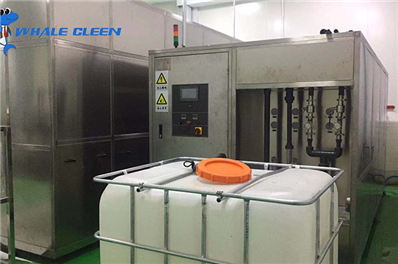 Ultrasonic Cleaning: Precision Restoration of Artifacts and Industrial Components
Deep cleaning has emerged as a crucial aspect in various industries, and one of the advanced techniques employed is ultrasonic cleaning. This method utilizes high-frequency sound waves to generate microscopic bubbles that implode, producing powerful clean
-
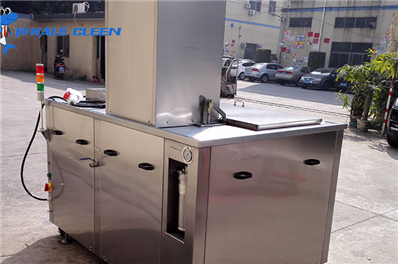 Preserving Artistry: Ultrasonic Cleaning Machines Enhance the Brilliance of Metal Artworks
Cleaning artworks, especially metal pieces, is a critical aspect of cultural heritage preservation and restoration. The goal is to prolong the lifespan of the artwork, safeguard its original state, and maintain its intrinsic value. Ultrasonic cleaning tec
-
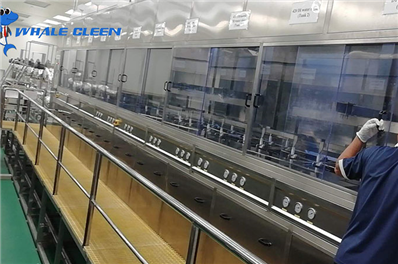 Ultrasonic Cleaning for Rapid Revitalization of Metal Components: A Professional Perspective
In the realm of industrial manufacturing, metal components play a crucial role in various machinery and equipment. However, over time, these components tend to accumulate dirt, grease, and rust, which diminish their performance and lifespan. Ultrasonic cl
-
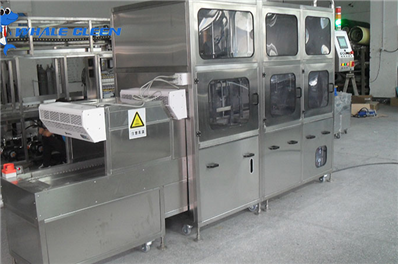 Precision Cleaning of Metal Sculptures: Ultrasonic Cleaning Machines for Removing Dust and Dirt from Metal Sculpture Surfaces
Firstly, let's understand the principle of ultrasonic cleaning technology. Ultrasonic cleaning technology utilizes high-frequency vibrations generated by ultrasound waves in a liquid medium. This creates dense microbubbles, and when these bubbles burs
-
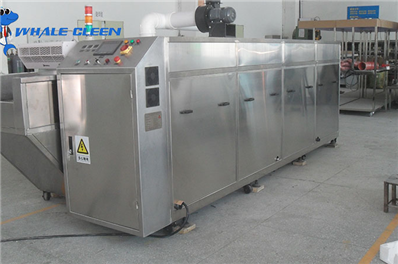 Enhancing Heat Exchanger Performance with Ultrasonic Cleaning Technology
Cleaning heat exchangers is a critical maintenance task in industrial processes. Over time, the metal tubes of a heat exchanger can accumulate various types of deposits and corrosion products, including scale, rust, and other contaminants. These deposits